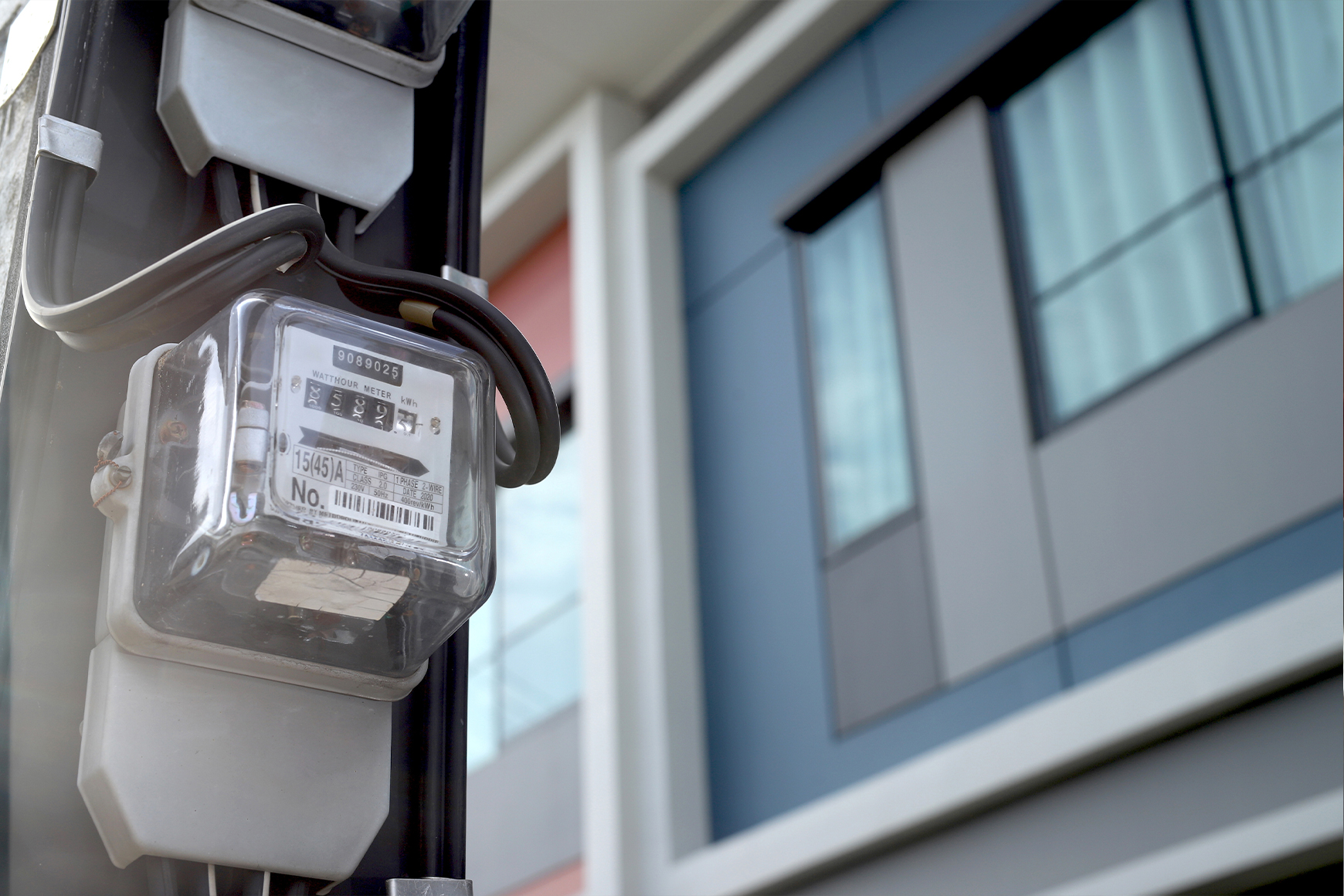
How Electricity Rates Are Calculated in Australia
Electricity bills usually combine a daily supply charge with usage charges, but the rate you pay can also depend on your location, network tariff, meter configuration and plan. Retail prices reflect several underlying costs, including wholesale electricity, network charges, metering, environmental schemes and retail operating costs. This guide explains the parts customers see on their bill and the main factors that can change them.
The Main Charges on an Electricity Bill
Most residential electricity plans include a daily supply charge and one or more usage charges. The supply charge is generally billed for each day the property is connected, while usage is billed in cents per kilowatt-hour (c/kWh). Depending on the plan and meter setup, controlled-load, demand or other charges may also apply.
Reference Prices: What the DMO and VDO do
In New South Wales, South East Queensland and South Australia, the Australian Energy Regulator sets the Default Market Offer (DMO), which provides a regulated standing-offer safety net and a reference price for market-offer comparisons. Victoria uses the Victorian Default Offer (VDO) under a separate Victorian framework. A reference price is a comparison benchmark; it is not a personalised estimate of what a particular household will pay.
Other parts of Australia have different retail pricing arrangements, so the rules and offers that apply can depend on where the property is located.
Tariff Type Can Change the Rate You Pay
Electricity tariffs can be structured in different ways. A single-rate tariff applies one usage rate across the day, while time-of-use tariffs apply different rates at different times. Depending on the network and meter configuration, controlled-load, demand or other tariff structures may also apply. The cheapest structure for one household may not be the cheapest for another because usage patterns differ.
What Else Can Change Your Bill
Plan conditions and features can change the final cost. These may include discounts, credits, free or lower-priced usage periods, solar feed-in tariffs, fees and eligibility requirements. Government concessions or rebates may also reduce bills for eligible customers. The important point is to compare the total expected cost and the conditions that apply, not just one advertised rate or benefit.
How Electricity Rates Are Calculated: Frequently Asked Questions
Why do electricity rates differ by postcode?
Rates can differ because network and distribution costs vary by location, and because the available tariff, meter configuration and retail plan can differ from one property to another.
What’s the difference between a standing offer and a market offer?
A standing offer is a default retail contract subject to the applicable standing-offer pricing framework in that jurisdiction. A market offer is a retailer’s competitive plan with its own rates, terms and conditions. The exact comparison and disclosure requirements vary by jurisdiction.
Do all Australian states have a reference price for electricity?
No. The DMO applies in New South Wales, South East Queensland and South Australia, while Victoria uses the VDO under a separate framework. Other jurisdictions have different retail pricing arrangements.
Why did my electricity rate change?
Retail electricity prices can change for a range of reasons, including movements in wholesale and network costs, changes to regulated charges, or changes to the terms of a retail offer. Your retailer will usually give you notices before they change your rate.
Comparing Your Own Rate
To compare your own rate, start with a recent bill and compare current offers using your address, tariff type and actual usage where possible. Looking at the estimated total cost is generally more useful than comparing a single usage rate or headline benefit.